Dog Breeds That Look Like Wolves: 10 Real Breeds (Not Actually Wolves)
Dog breeds that look like wolves fall into two categories: (1) domestic breeds selectively bred to resemble a wolf but with hundreds of generations of dog behavior in between, and (2) actual wolfdogs — recent hybrids between a domestic dog and a captive wolf, which are illegal or restricted in most US states and are a very different animal to live with. Below are ten breeds that hit the visual look plus one honest section on wolfdogs and why the two shouldn’t be confused.
The 10 Breeds
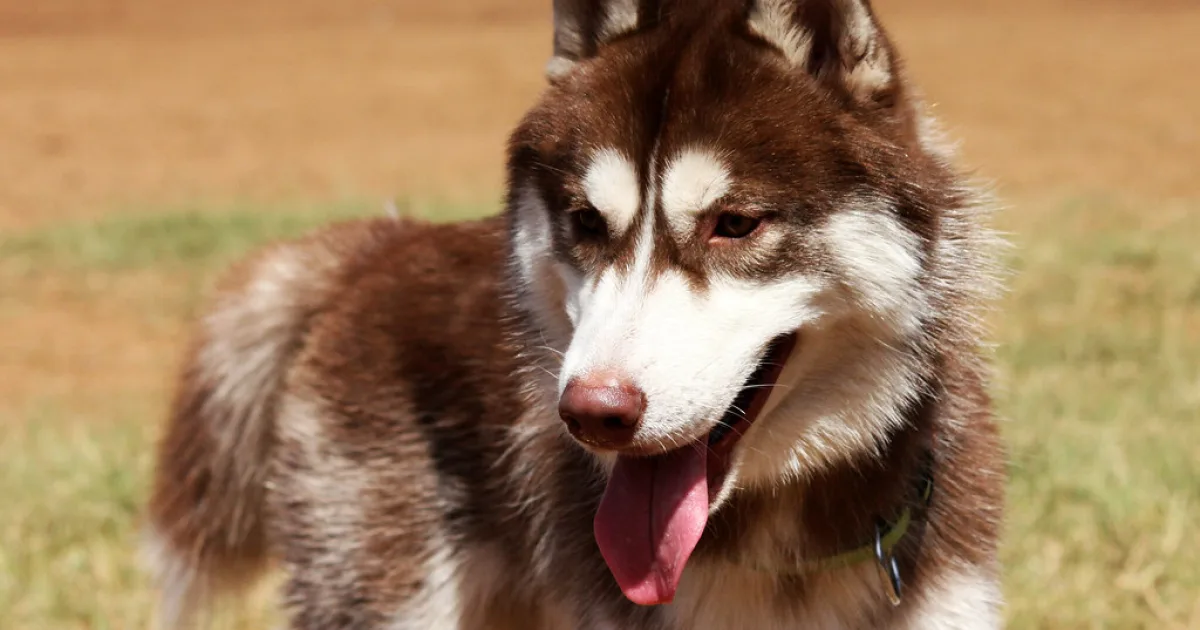
1. Siberian Husky
35–60 lb sled dog with a thick double coat, upright ears, almond eyes (often blue), and the classic wolf mask. Bred by the Chukchi people of Siberia to pull sleds over long distances. Independent, high prey drive, and vocal — Huskies talk constantly.
Famous examples: Balto, lead dog of the 1925 Nome serum run, and Mishka the Talking Husky, whose “I love you” videos hit 100M+ views on YouTube.
2. Alaskan Malamute
Bigger, heavier, more powerful than a Siberian Husky (75–100 lb vs 35–60 lb). Bred by the Malamute Inuit for freight hauling rather than distance. Same wolf-like face and double coat, plus a curled tail carried over the back. Very high prey drive; most Malamute owners never trust their dog off-leash.
3. German Shepherd
Not as often called wolf-like because of the sable coat color, but the head shape, upright ears, and body proportions are close to a wolf’s. The all-black or sable long-coat variety looks especially wolf-like at a distance.
Famous example: Rin Tin Tin, the German Shepherd Warner Bros. built a studio around in the 1920s.
4. Czechoslovakian Wolfdog
An officially recognized breed, created in the 1950s in the former Czechoslovakia by crossing German Shepherds with Carpathian wolves — but the wolf content is now generations back, and the FCI recognizes it as a domestic breed. Athletic, high stamina, and reserved with strangers. Legal to own in more countries than actual wolfdogs.
5. Saarloos Wolfdog
Dutch breed created in the 1930s by crossing a German Shepherd with a captive Eurasian wolf. Recognized by the FCI. More reserved and skittish than most domestic breeds — Saarloos are famously wary of strangers and don’t do well in busy urban households.
6. Utonagan and Northern Inuit Dog
Modern British breeds (from the 1980s onward) bred by crossing Alaskan Malamutes, Siberian Huskies, and German Shepherds to produce a wolf look with no actual recent wolf DNA. Northern Inuits were used as the direwolves in early seasons of Game of Thrones.
7. Tamaskan
Another modern wolf-lookalike breed developed in Finland, mixing Malamute, Husky, and other spitz-type breeds. Larger than a Husky, more mellow temperament, and stronger recall — bred deliberately as a family-friendly “wolf” alternative.
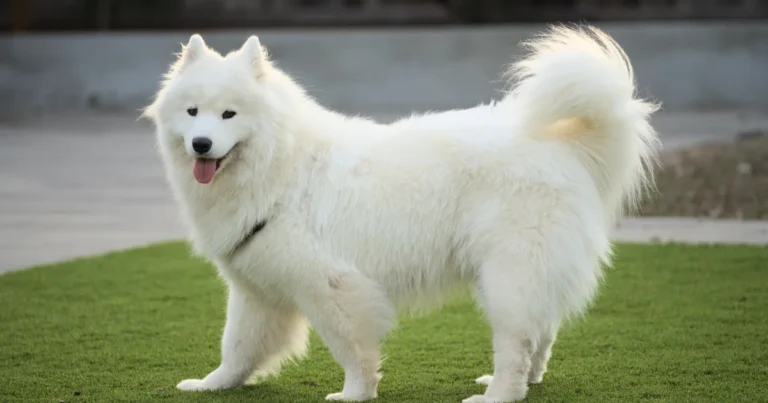
8. Samoyed
Not the color most people picture, but the wolf-family body plan and thick coat are clearly there. All-white Samoyeds were bred to work alongside the Samoyedic peoples of Siberia. The wolf resemblance is mostly in the head shape and posture.
Famous example: Maya the Samoyed.
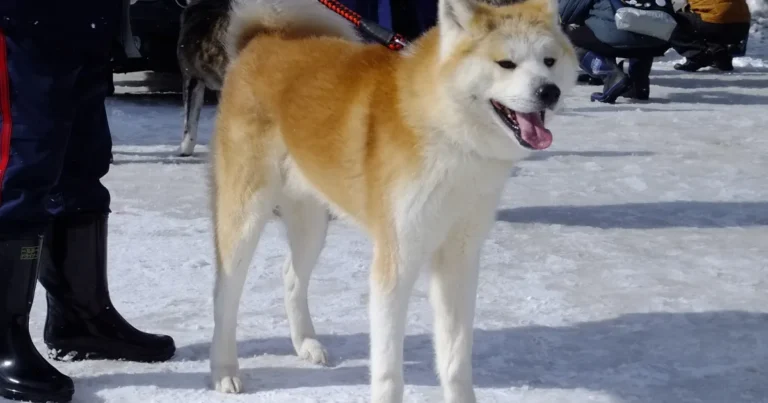
9. Akita
Japanese spitz-type breed, 70–130 lb, thick coat, upright ears, curled tail. Not usually called wolf-like in the West but genetically one of the breeds closest to the ancestral dog population. Reserved, dignified, and famously bonded to one family.
Famous example: Hachikō, whose statue stands outside Tokyo’s Shibuya Station.
10. Actual wolfdogs (not a breed)
A wolfdog is an F1 or F2 cross between a domestic dog and a captive wolf. They are not the same as any breed above. Behaviorally they are unpredictable, harder to socialize, need containment far beyond a normal fence, and are illegal or restricted in most US states. Loki the Wolfdog is one of the more responsibly kept examples — his owners are open about the containment and lifestyle demands.
Famous example: Loki the Wolfdog, whose owner is upfront in interviews that a wolfdog is not a dog for most homes.
Frequently Asked Questions
What dog breed looks the most like a wolf?
The Czechoslovakian Wolfdog and Saarloos Wolfdog are the closest visual matches because they were literally bred from wolves within the last century. Among more common breeds, Alaskan Malamutes and Siberian Huskies are the most wolf-like. Northern Inuit Dogs and Tamaskans were specifically created for the wolf appearance.
Are wolfdogs legal to own?
It depends on the state. In the US, some states ban all wolfdog ownership outright, others allow it with a permit, and a few leave it to city or county rules. Even where legal, most homeowner insurance policies exclude wolfdogs, and standard veterinary care is harder to find. This is not a small legal footnote — check state, county, and city rules before considering one.
Do wolf-looking dogs behave like wolves?
The domestic breeds on this list — Huskies, Malamutes, German Shepherds, Samoyeds, Akitas — behave like dogs, not like wolves, despite the appearance. Actual wolfdogs (F1 or F2 wolf crosses) do retain wolf behaviors: neophobia, higher escape drive, resource guarding, and reduced socialization windows. Modern wolf-lookalike breeds like the Tamaskan and Northern Inuit were bred specifically to have the wolf look without the wolf behavior.
What is the biggest wolf-like dog breed?
The Alaskan Malamute (75–100 lb) is the largest common wolf-lookalike breed. Some Czechoslovakian Wolfdogs and Northern Inuits reach similar sizes but are less standardized. Wolves themselves average 60–120 lb depending on subspecies, so a large Malamute is genuinely wolf-sized.
Featured image: 3217-siberian-husky-dog by localpups (BY 2.0).