Chips: The WWII Dog Who Attacked a Machine-Gun Nest
The U.S. military’s WWII K-9 Corps trained thousands of donated family dogs for sentry and patrol work. Almost none of them became famous. Chips did, in the space of a few seconds on a beach in Sicily.
Who Chips was
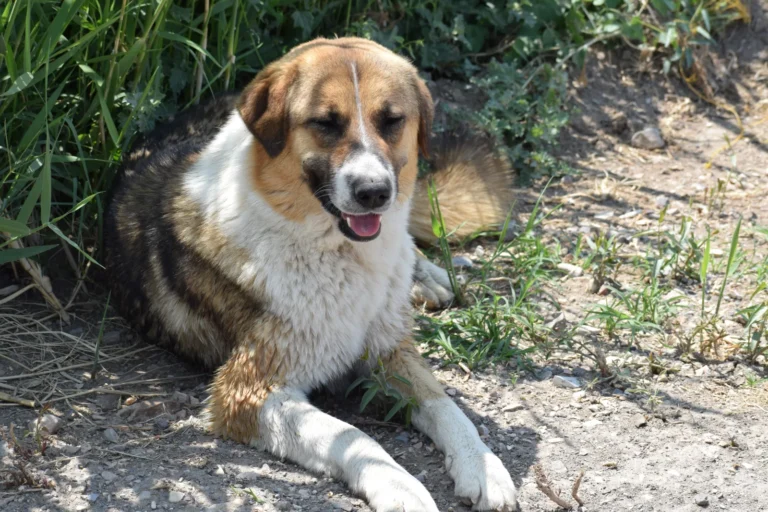
Chips was a mixed-breed dog — German Shepherd, Collie, and Husky — donated by the Wren family of Pleasantville, New York, to “Dogs for Defense,” the program that supplied and trained dogs for the U.S. Army’s K-9 Corps during World War II. He was assigned to the 3rd Infantry Division and landed with American forces during the invasion of Sicily in July 1943.
The machine-gun nest
During the landing, Chips’s unit came under fire from a camouflaged pillbox manned by an Italian machine-gun crew. Chips broke away from his handler, Private John P. Rowell, and charged the position, forcing the gun crew out and into the open, where they surrendered. Chips was burned and suffered powder burns in the encounter but survived, and later that same day helped capture several more enemy soldiers.
Medals, and the ones taken away
Chips was initially awarded a Silver Star and a Purple Heart for his actions — but the honors were revoked after a policy objection that official U.S. military decorations could not be given to animals. He continued serving through campaigns in Sicily, Italy, France, and Germany before returning home in 1945. In 2018, the British veterinary charity PDSA posthumously awarded him the Dickin Medal, the highest recognition for animal valor in wartime service.
Chips’s story is one of the most dramatic in our guide to history’s most famous hero and war dogs.
Frequently asked questions
What breed was Chips, the WWII war dog?
Chips was a mixed-breed dog — German Shepherd, Collie, and Husky — donated to the Army’s K-9 Corps by a family in Pleasantville, New York.
What did Chips do in WWII?
During the 1943 invasion of Sicily, Chips broke from his handler and attacked a camouflaged machine-gun position, forcing the crew to surrender.
Did Chips receive any medals?
He was initially awarded a Silver Star and Purple Heart, both later revoked under a policy barring official military decorations for animals. In 2018 he posthumously received the Dickin Medal, the U.K.’s highest honor for animal wartime valor.